Type of Graph Chart What Type of Graph Is Location of Beef
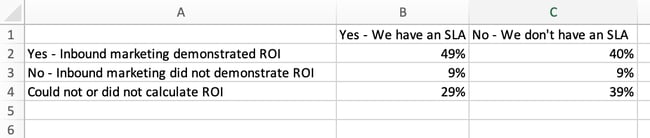
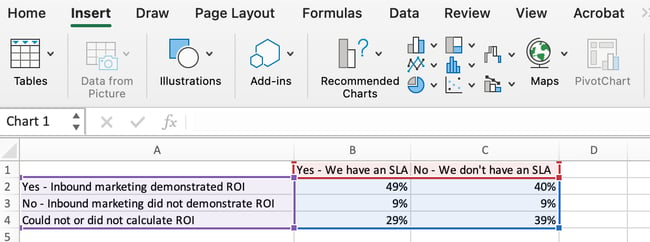
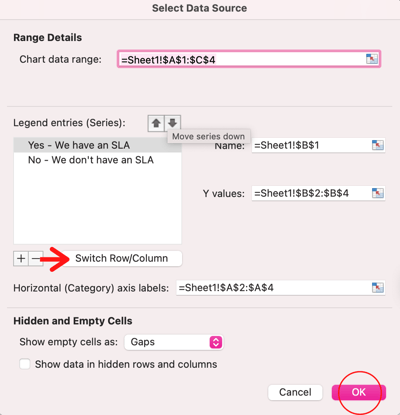
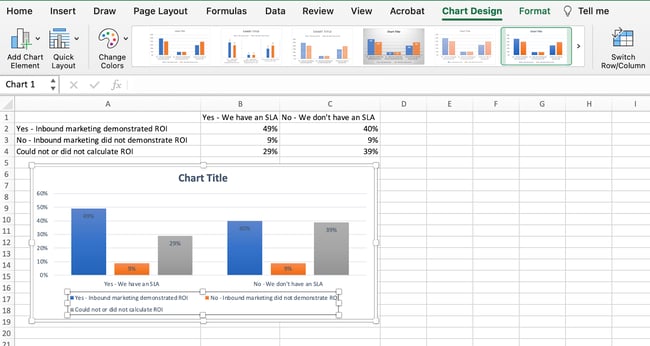
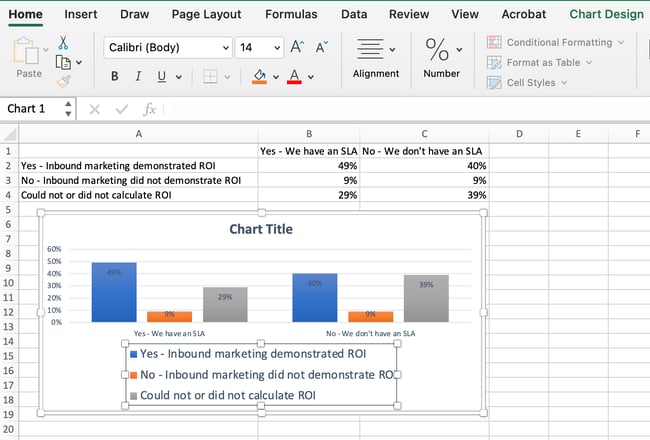
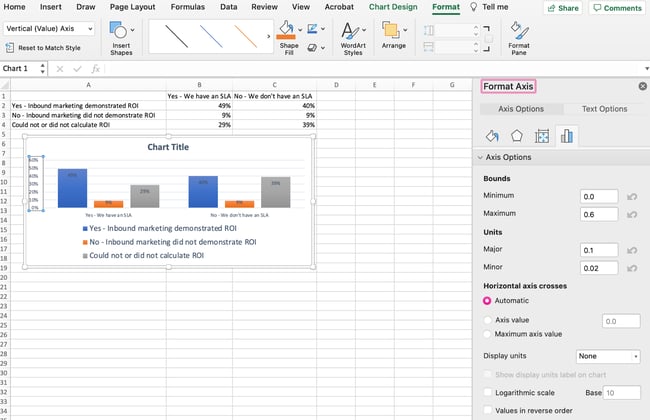
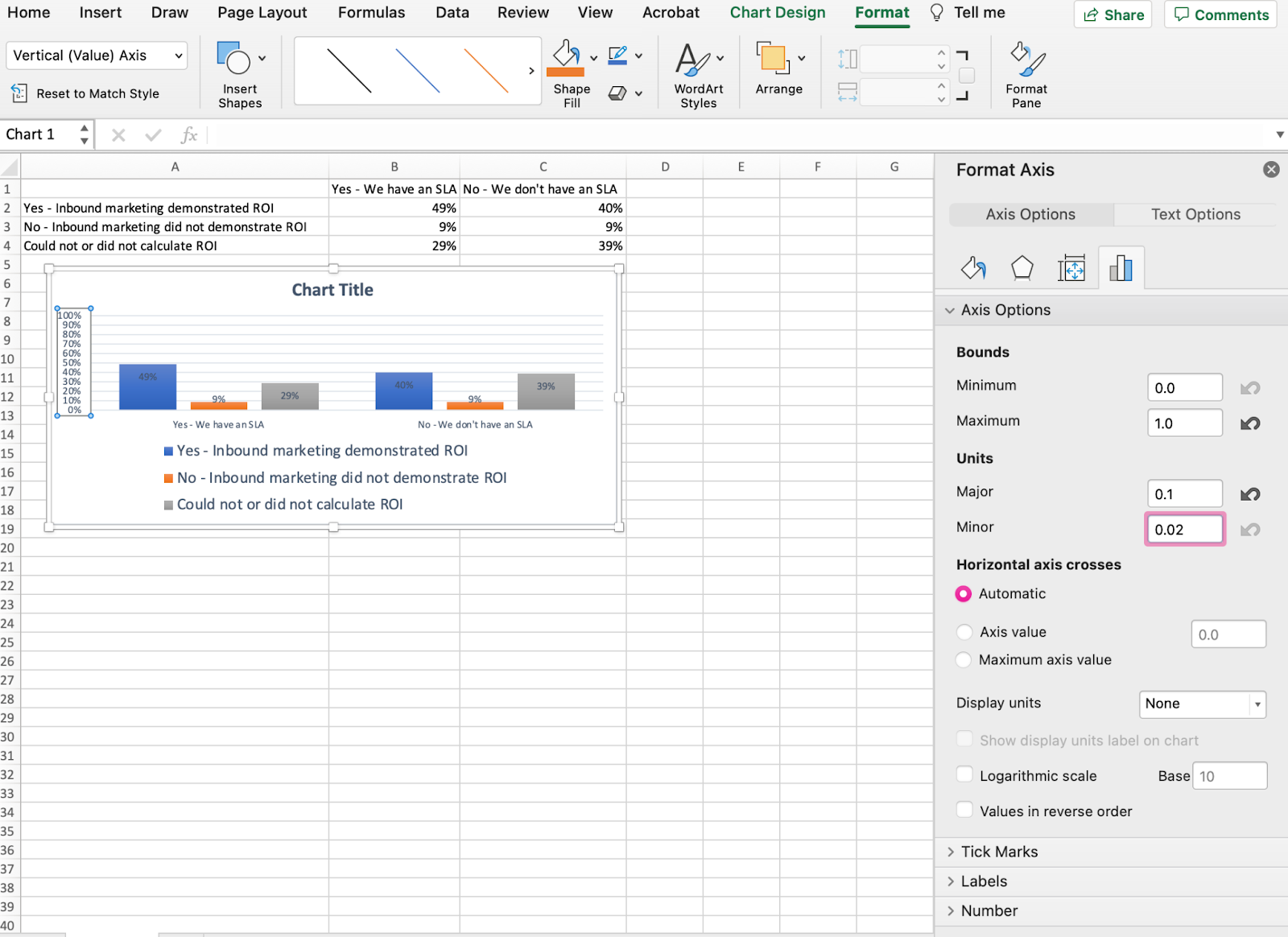
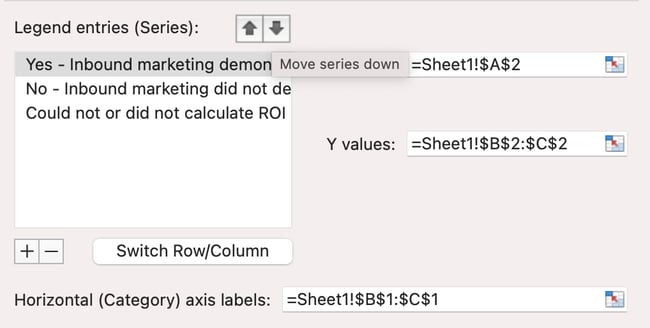
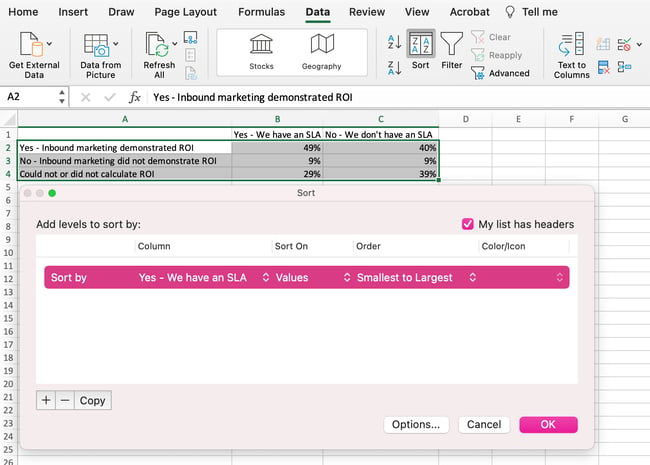
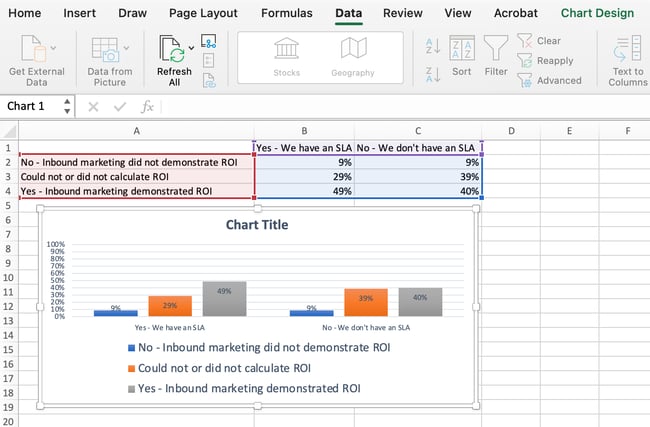
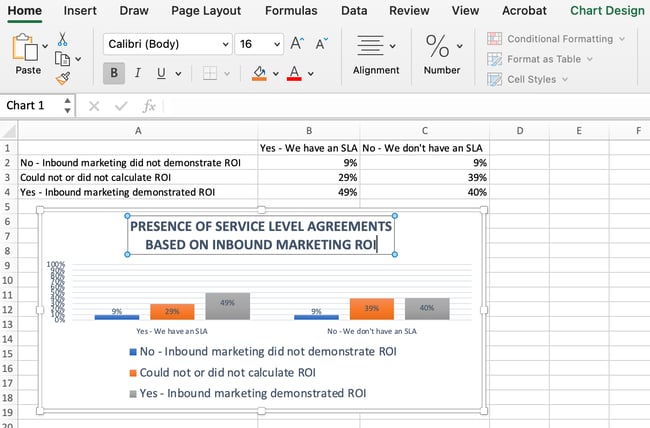
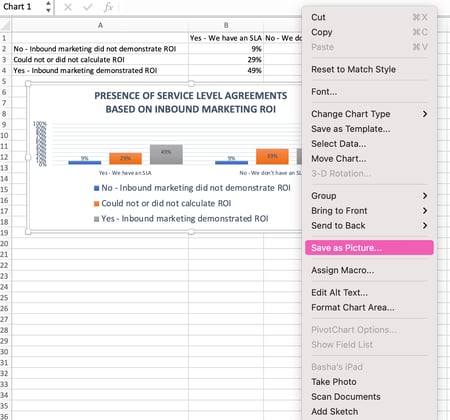
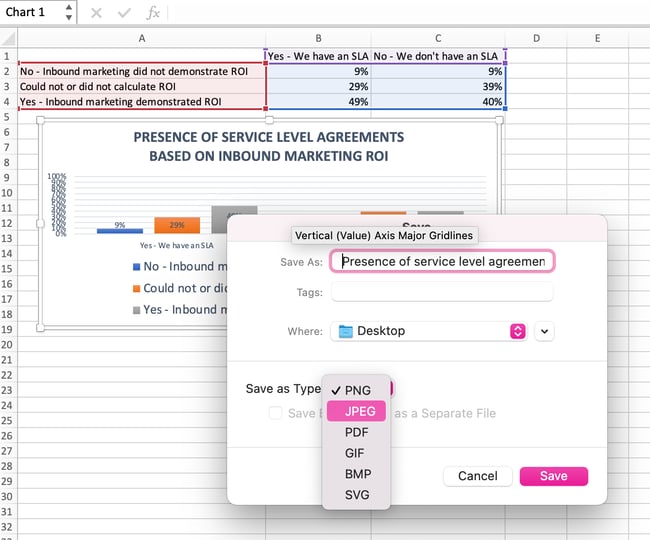
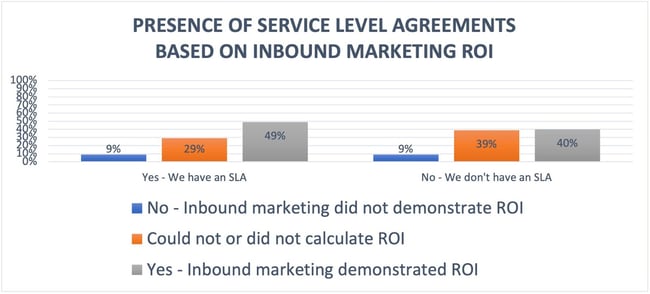
Building charts and graphs is 1 of the best means to visualize data in a clear, easy-to-empathise way. (Cheque out this guide for making better charts to learn more.) However, it's no surprise that some people get a little intimidated past the prospect of poking around in Microsoft Excel. (I absolutely admire Excel, but I work in Marketing Operations, so information technology's pretty much a requirement that I like the tool). I idea I'd share a helpful video tutorial equally well as some step-by-step instructions for anyone out in that location who cringes at the thought of organizing a spreadsheet full of information into a chart that really, y'all know, means something. Hither are the elementary steps y'all need to build a nautical chart or graph in Excel. Keep in mind there are many different versions of Excel, and then what you see in the video above might not ever friction match upwards exactly with what you'll encounter in your version. In the video, I used Excel 2021 version xvi.49 for Max Bone X. To go the most updated instructions, I encourage yous to follow the written instructions below (or download them as PDFs). Most of the buttons and functions you'll run across and read are very similar beyond all versions of Excel. Download Demo Data | Download Instructions (Mac) | Download Instructions (PC) Starting time, you lot need to input your data into Excel. Y'all might have exported the information from elsewhere, like a piece of marketing software or a survey tool. Or maybe you're inputting it manually. In the case below, in Cavalcade A, I accept a list of responses to the question, "Did inbound marketing demonstrate ROI?", and in Columns B, C, and D, I have the responses to the question, "Does your company have a formal sales-marketing agreement?" For example, Column C, Row 2 illustrates that 49% of people who accept an SLA (service level agreement) too say that inbound marketing demonstrated ROI. In Excel, your options for charts and graphs include column (or bar) graphs, line graphs, pie graphs, besprinkle plots, and more. Come across how Excel identifies each ane in the elevation navigation bar, as depicted below: To detect the chart and graph options, select Insert. (For aid figuring out which type of chart/graph is best for visualizing your data, check out our free ebook, How to Employ Data Visualization to Win Over Your Audience.) In this case, I'll utilise a bar graph to visually present the data. To make a bar graph, highlight the data and include the titles of the Ten and Y-axis. Then, become to the Insert tab, and in the charts section, click the column icon. Cull the graph you wish from the dropdown window that appears. In this example, I picked the first two-dimensional column option — just because I prefer the flat bar graphic over the 3-D await. See the resulting bar graph below. If you want to switch what appears on the X and Y axis, right-click on the bar graph, click Select Data, and click Switch Row/Column. This will rearrange which axes acquit which pieces of information in the list shown below. When you're finished, click OK at the bottom. The resulting graph would await like this: To modify the layout of the labeling and fable, click on the bar graph, then click the Chart Design tab. Hither, yous tin can choose which layout yous adopt for the nautical chart title, axis titles, and legend. In my example shown beneath, I clicked on the option that displayed softer bar colors and legends beneath the nautical chart. To further format the fable, click on information technology to reveal the Format Fable Entry sidebar, as shown below. Hither, you tin change the make full color of the legend, which will in plough change the color of the columns themselves. To format other parts of your chart, click on them individually to reveal a corresponding Format window. When you lot showtime brand a graph in Excel, the size of your centrality and legend labels might be a bit minor, depending on the type of graph or chart you choose (bar, pie, line, etc.) Once y'all've created your chart, you'll want to beef up those labels and so they're legible. To increase the size of your graph's labels, click on them individually and, instead of revealing a new Format window, click back into the Home tab in the top navigation bar of Excel. Then, use the font type and size dropdown fields to expand or shrink your chart's legend and centrality labels to your liking. To change the type of measurement shown on the Y axis, click on the Y-axis percentages in your chart to reveal the Format Axis window. Here, you can decide if yous want to brandish units located on the Axis Options tab, or if you lot desire to change whether the Y-axis shows percentages to ii decimal places or to 0 decimal places. Because my graph automatically sets the Y centrality'due south maximum percentage to 60%, I might want to change it manually to 100% to represent my data on a more than universal scale. To exercise so, I tin can select the Maximum option — two fields downwards nether Bounds in the Format Axis window — and change the value from 0.six to one. The resulting graph would be changed to await like the ane below (I increased the font size of the Y-axis via the Home tab, then yous tin can meet the difference): To sort the data so the respondents' answers appear in reverse gild, correct-click on your graph and click Select Information to reveal the same options window you lot called upwards in Step 3 above. This fourth dimension, click the up and down arrows, every bit shown below, to reverse the order of your data on the chart. If you lot take more than two lines of data to adjust, you tin can too rearrange them in ascending or descending order. To practise this, highlight all of your data in the cells to a higher place your chart, click Data and select Sort, equally shown below. Y'all can cull to sort based on smallest to largest or largest to smallest, depending on your preference. The resulting graph would look similar this: Now comes the fun and piece of cake part: naming your graph. By now, you might have already figured out how to exercise this. Here's a simple clarifier. Right after making your chart, the title that appears will likely be "Nautical chart Title," or something similar depending on the version of Excel you're using. To change this label, click on "Chart Title" to reveal a typing cursor. You lot tin so freely customize your chart's title. When y'all take a title you lot similar, click Dwelling house on the elevation navigation bar, and use the font formatting options to give your title the emphasis information technology deserves. See these options and my final graph below: Once your nautical chart or graph is exactly the way you want it, you tin salvage it as an image without screenshotting it in the spreadsheet. This method volition requite you a make clean image of your chart that tin can exist inserted into a PowerPoint presentation, Canva document, or any other visual template. To relieve your excel graph every bit a photo, correct-click on the graph and select Relieve every bit Picture…. In the dialogue box, proper name the photograph of your graph, cull where to save it to on your computer, and choose the file blazon you'd similar to save it as. In this example, I'g saving it every bit a JPEG to my desktop folder. Finally, click Save. You'll have a clear photo of your graph or chart that you tin can add together to whatsoever visual design. That was pretty easy, right? With this pace-by-pace tutorial, you'll be able to speedily create charts and graphs that visualize the most complicated data. Endeavour using this same tutorial with dissimilar graph types similar a pie chart or line graph to see what format tells the story of your data best. You tin can even practice customizing more data-heavy graphs and charts using the gratuitous excel templates for marketers below. Editor'due south note: This post was originally published in June 2018 and has been updated for comprehensiveness. ![Download 10 Excel Templates for Marketers [Free Kit]](https://no-cache.hubspot.com/cta/default/53/9ff7a4fe-5293-496c-acca-566bc6e73f42.png)
How to Brand a Graph in Excel
1. Enter your data into Excel.
2. Cull from the graph and chart options.

3. Highlight your data and insert your desired graph into the spreadsheet.

four. Switch the data on each axis, if necessary.
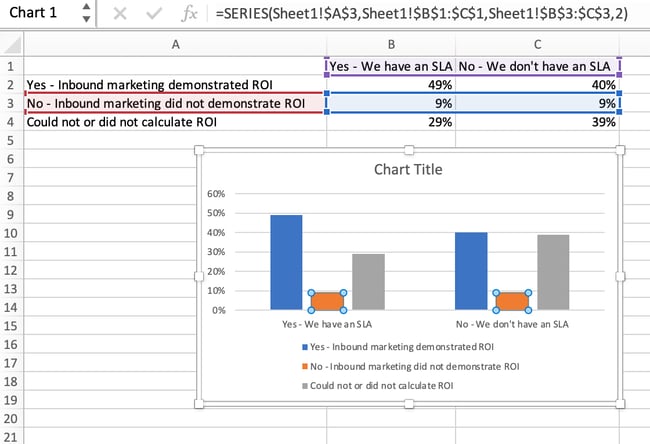
5. Adjust your data's layout and colors.
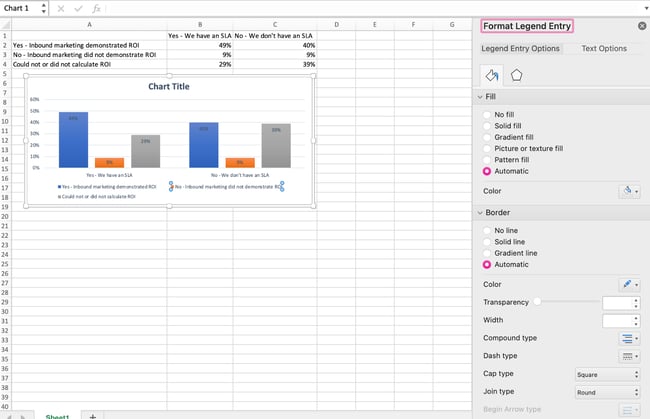
6. Change the size of your chart'due south fable and axis labels.
7. Change the Y-centrality measurement options, if desired.
8. Reorder your information, if desired.
9. Championship your graph.
10. Export your graph or chart.
Visualize Information Like A Pro

Originally published Jul xiv, 2021 1:15:00 PM, updated March 16 2022
delossantosromuffel.blogspot.com
Source: https://blog.hubspot.com/marketing/how-to-build-excel-graph
0 Response to "Type of Graph Chart What Type of Graph Is Location of Beef"
Post a Comment